
When you’re preparing to manufacture a plastic part, a quote is an important step toward understanding what production may involve. The more a manufacturer knows about the part, its intended use, and your production goals, the sooner the team can begin reviewing the project and identify any questions that need answers.
You don’t need to have every detail finalized before reaching out. Sharing the drawings, specifications, and project context you have can reduce avoidable follow-up and help both sides move through the initial review more efficiently.
What Happens During an Injection Molding Quote Review?
A quote for a plastic injection molding project involves more than assigning a price to a part. A manufacturer may review the part design, material selection, mold design, production volume, quality requirements, and any assembly or secondary operations.
These details can affect one another. For example, the resin and part geometry may influence mold design, while production volume can help determine the appropriate tooling and manufacturing approach. The review may also consider tolerances, surface finish, ejection, or other features that affect part quality and the manufacturing process.
Providing the information you have at the outset gives the manufacturer a foundation for evaluating the project. It can also help identify missing details early, before they delay planning or require changes later.
What Information Should You Prepare for a Quote?
Every injection molding project is different, so the information needed can vary. If available, gather the following:
Part Drawings, CAD Files, and Specifications
Provide the latest 3D CAD model and 2D drawings you have. Drawings can communicate dimensions, tolerances, material callouts, surface finish, and other specifications that may not be apparent in a 3D model alone.
If there are multiple versions, identify which files are current and note whether the design is final or still in development. If you don’t have complete drawings yet, a preliminary model or sketch may still help start the conversation.
Intended Application and Operating Environment
Explain what the part does and where it will be used. Relevant details may include exposure to heat, chemicals, moisture, UV light, impact, vibration, or other operating conditions. If the part will be used in a regulated application, such as a medical device, share any applicable requirements.
This context can help inform material selection and clarify which performance specifications matter most.
Material Requirements
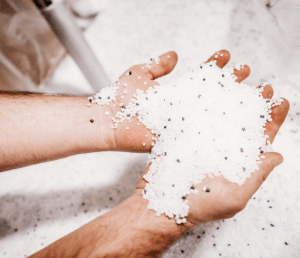
If you’ve selected a resin, include its grade or specification. If the material is still undecided, describe the properties the part needs, such as strength, flexibility, wear resistance, chemical resistance, or temperature performance.
The right material depends on the part’s function, operating environment, and production requirements. Factors such as strength, flexibility, chemical resistance, and temperature performance can help narrow the options for injection molding materials.The right material depends on the part’s function, environment, and production needs. Reliant’s guide to common injection molding materials provides an overview of material options and considerations.
Annual Volume and Production Expectations
Share your estimated annual usage, anticipated order quantities, and any expected changes in production volume. Include a target launch date or production schedule if you have one.
These estimates help the manufacturer understand the scale of the project and consider the mold design and manufacturing approach. They don’t need to be exact, but note whether the forecast is preliminary.
Tolerances and Quality Requirements
Include critical dimensions, required tolerances, inspection criteria, and any quality documentation or certifications the project requires. If only certain dimensions are functionally critical, identify them so the manufacturer can understand where precision matters most.
Clear specifications help the team assess how the part will be produced and evaluated. Reliant maintains quality management systems certified to ISO 9001:2015 and AS9100D. Share any project-specific requirements as part of the quote discussion.
Inserts, Assembly, and Secondary Operations
Note whether the part needs inserts, overmolding, welding, assembly, finishing, or other secondary operations. These requirements can affect part design, mold design, and the production steps needed after molding.
Include relevant details about mating components or assembly conditions, especially if the molded part must fit with existing parts or equipment.
What If Project Details Are Still Changing?
Many projects are not fully defined when a manufacturer is first contacted. You may still be evaluating material options, refining the part design, or estimating production volume. You can start a conversation while those details are in progress.
Share the information you have and identify what is still being determined. A preliminary drawing, early CAD model, or written description of the part’s function can provide a starting point. The manufacturer can then clarify what additional specifications or decisions may be needed to evaluate the project.
An early review can also surface design questions before tooling begins. Reliant’s overview of design for manufacturability explains how part design, materials, mold design, and production goals can be considered together.
A design review before tooling begins can reveal questions that may affect the project. Considering design for manufacturability in plastic injection molding early can help align part design, mold design, materials, and production goals.
Prepare for Your Plastic Injection Molding Quote
Preparing project details in advance can reduce avoidable back-and-forth and help both sides move through the initial review more efficiently. Drawings, material requirements, application details, production estimates, and quality specifications are useful starting points, but you can still reach out if some details are in progress.
Reliant Plastics supports projects from engineering and mold design through production and additional operations. With more than 50 years of plastics manufacturing experience, Reliant works with customers to review project needs and manufacturing considerations.
Contact Reliant Plastics to discuss your project and request a quote.