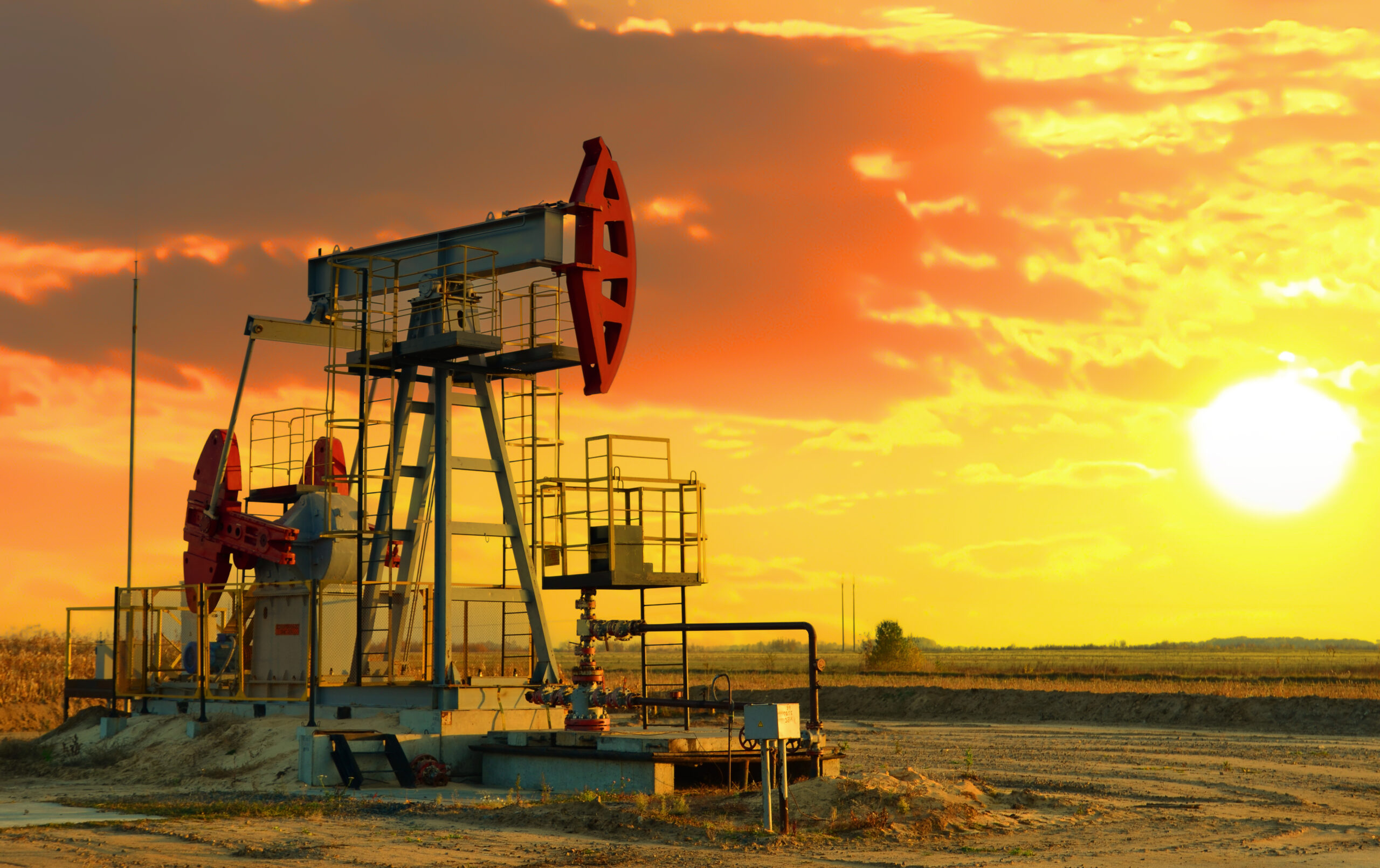
At each stage of the process, from initial exploration to high-level refining, the oil and gas industry requires precision, accuracy, and durability. The raw materials sourced and then refined — crude oils like petroleum, for example — become the gasoline in our cars and the fuel in the heaters. The world runs on these products; they’re essential, but sourcing, refining, and distributing them is a difficult task.
Tools and machines alike are tested by the extreme environments of the oil and gas industry, and material composition makes all the difference. Plastic injection molded parts play an essential role in the upstream, midstream, and downstream phases of oil and gas production, from exploration and drilling, to transportation and processing, and later to refining and distribution. Plastic parts provide cost-effective, modern solutions that will remain reliable even in the harshest of conditions.
At Reliant Worldwide Plastics, we understand the unique requirements and quality standards for products used in oil and gas applications. And because we are based in Gainesville, Texas, we’re well acquainted with oil fields — and with the industry as a whole. From operations in Midland and Odessa to terminals and refineries in Houston, we’ve supported many projects by providing advanced plastic injection molding techniques and superior service.
Are Plastics Suitable for the Oil and Gas Industry?
Today’s highly engineered thermoplastics are appropriate for oil and gas usage because they offer extreme strength and stiffness, even in harsh environments. This includes withstanding heavy-duty wear environments for extended periods, even in high temperatures, pressurized steam, and corrosive chemicals. Chemical resistance makes plastics suited for down-the-hole applications in drilling environments, where products may be exposed to raw materials, as well as for refinery work — and everything else in between.
The flexibility of injection molding and design makes plastics beneficial for more general-purpose applications around the job site, too. The full range of thermoplastic materials provides many uses in the industry. Injection molding is also a highly repeatable process, making it particularly beneficial when components are required in higher volumes. These capabilities make plastic a reliable material for oil and gas use cases.
Are Plastic Parts Better Than Metal for Oil and Gas Applications?
This frequently asked question comes up often in high-performance industries, especially one like oil and gas: Are plastic components better than metal components? Advanced plastic resins, like the ones used for plastic injection molding, can achieve consistently high performance levels even under extreme temperatures or when exposed to corrosive materials. And it’s easier to design and manufacture these parts than it is to create metal components. Modern molding equipment achieves a high tolerance for precision — one essential to the oil and gas field both for the quality of production and for overall safety. Plastic parts act as replaceable components that are often easier to swap and substitute once consumed, while metal components can be more expensive and difficult to replace.
While metal is often used in the oil and gas industry, metal components have many downsides. They are heavier, more expensive to manufacture, and are more likely to corrode. Plastic parts, on the other hand, are not subject to the same issues.
Manufacturing Plastic Injection Molded Parts for Oil and Gas Applications
Plastic injection molded parts made for oil and gas applications follow the same manufacturing process as parts made for other applications: Molten plastic is injected into a metal mold (typically, one made of steel), which creates a highly precise plastic part in the desired design. Once produced, the parts undergo rigorous quality control and inspection to ensure the utmost accuracy and avoid any defects.
Types of Plastic Used in the Oil and Gas Industry
Plastic injection molded parts are used across industries, from consumer products to military and defense applications, and the type of plastic chosen for the part greatly depends on its end use. The best plastic for plastic injection molding depends on the intended environment — and selecting appropriate materials is essential in oil and gas environments where thermal and corrosion resistance are key considerations. At Reliant, our advanced engineered resins include:
- PEEK
- Ultem
- Torlon
- PAEK
We also support projects that require more general-use plastics, along with many other options for industrial plastics. The versatility and reliability of these materials, combined with their suitability for injection molding, make them a perfect match for this industry. Our team can provide critical insights into material selection during your next project’s design and engineering phases.
Plastic Injection Molding Uses and Applications in the Oil and Gas Industry
With so many properties that make them well suited for oil work or natural gas extraction, plastics naturally find a home in many places around the job site. Some of the most common uses for plastics in the oil and gas industry include:
- Lightweight but durable clamps, fasteners, and connectors for securing equipment in the field
- Bushings and gears subject to strict specifications and high-wear environments
- Valves and seals that transmit high pressure, high temperature, or corrosive liquids
- Frac balls for use in deep hydraulic fracking wells
- Pump impellers with chemical resistance for long-lasting throughput capabilities
- Housings and frames that reduce vibration and achieve noise reduction
Environmental Impact of Plastics in the Oil and Gas Industry
Both the oil and gas industry and the plastic industry have been subject to criticism because of environmental concerns, especially when it comes to waste, energy consumption, and the overall impact of hydrocarbons. But modern technology and materials are addressing these environmental concerns and making the industries much more sustainable.
Plastic injection molded parts can be made of recycled materials. And because the mold is created and tested long before any production runs occur, its precise design reduces the potential for wasted or incorrect parts.
Though oil and gas production have been associated with high levels of emissions, the use of plastic parts can make these refineries and facilities more efficient and, therefore, more sustainable. Lighter weight parts, like plastic parts, improve the operational efficiency of individual machines and of the system as a whole.
Accessing Custom Plastic Manufacturing for Industrial Success
As the oil and gas industry in the United States, and around the world, continues to grow, so do the technology and tools that make the work possible. From small internal components to significant products, plastics deliver the material properties, precision, and reliability this industry requires. Discover more about how Reliant Plastics can support metal-to-plastic transitions, lightweighting projects, and end-to-end design and manufacturing needs today. Contact our team for a quote.