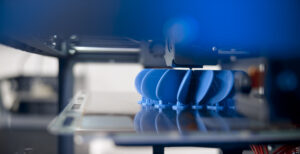

Plastic injection molding is a popular manufacturing method because it enables mass The plastic injection molding process is a popular manufacturing method because it enables mass production of individual components or entire products. With consistent results and excellent quality control procedures, this approach delivers exceptional outcomes across a wide range of industries, from aerospace to consumer products.
Understanding the Plastic Manufacturing Process
The plastic manufacturing process produces reliable, high-quality parts via a streamlined and rapid method, making it an ideal technique for companies with high or complex production needs. Plastic raw materials undergo heating until they become a molten liquid. This liquid is then injected at high pressure into a pre-designed metal mold that forms the shape of the final product. The liquid plastic then cools and hardens into its final form before the mold ejects a completed part, clamps shut again, and repeats the process. Injection molding can produce sub-assemblies, individual parts, or ready-to-use products. It is different from compression molding.
Thermoplastic resins and injection molding techniques enable the high-volume manufacturing of business-critical parts and products that companies sell to their consumers.
8 Popular Injection Molding Applications
Plastics are just as popular in the production of automotive components as they are in consumer goods like packaging or pet products — and for good reason. Manufacturers can select the most suitable material for their product or part from numerous types of thermoplastics available. These include polycarbonate, nylon (also known as polyamide), polyethylene, and many other types of polymers. The variety of materials increases the number of applications for plastic injection molding across industries, from internal parts to end products.
Exterior and Interior Parts for the Automotive Industry
Vehicle manufacturers in the automotive industry often rely on plastic parts for exterior applications, like bumpers, running boards, and windshield wiper covers, as well as interior applications, like dashboard items, buttons, switches, and cup holders.
Injection molding enables the consistent production of automotive parts to the exact specifications with precision and durability — crucial requirements for large-scale production runs of cars and other vehicles. Plastic is also significantly lighter than metal, enabling fuel economy without compromising durability.
A Variety of Plastic Items in the Consumer Goods Industry
Plastics are ubiquitous in consumer-facing applications, from water bottles and plastic drinkware, plastic toolboxes, trays, packaging, children’s toys, and other similar items.
Even many home kitchens feature a wide variety of injection-molded tools, from the plastic handles of kitchen shears to items such as spatulas and spoons. Food-safe plastics are among the many plastic material options that make them ideal for consumer applications.
Parts of Dishwashers and Washing Machines in the Appliances Industry
Plastics have many appliance use cases due to their ability to withstand heavy and repeated use in sometimes challenging environmental conditions. For example, dishwashers and washing machines use plastics for components like dish racks, wash arms, agitators, and more. Home refrigerators, too, have many plastic components, from door handles to ice trays and plastic storage shelves.
Phones, Remotes, and More in the Electronics Industry
Plastics are often used in electronics as housing (or plastic shells) for many devices. Telephones, television remotes, and even car key fobs all use custom-designed housings made in an injection molding machine. Other technological use cases include connectors, cable conduits, Wi-Fi antennas, and more.
Injection molding is well-suited to this sector because plastics can withstand challenging conditions, including exposure to heat or chemicals. Many housings also require cutouts for buttons or switches; injection molding makes it easy to produce plastic products with these cutouts available immediately after machining.
Vehicle Components in the Construction Industry
Plastics are used in housing, commercial buildings, and products. Construction vehicle production, particularly parts such as cranes, skid-steer loaders, and internal components, require plastic injection molding, as do housings and grips for handheld tools.
Oil and Gas Industry Seals, Gaskets, and More
Few industries face working conditions as extreme or varied as the oil and gas sector. Plastics play a crucial role in wireline operations conducted deep inside wellbores. The durability, lighter weight, and strict tolerance adherence of plastics ensure that the oil and gas sector can maintain efficient operations. From bushings and valve seats to seals and gaskets, injection molding supports high-volume production of consumable parts in this sector.
Defense Industry Communication Devices and More
Military and defense applications demand rigorous quality, dependable function, and, often, rapid production. Plastic components find a home in many military applications that overlap with other industries. For example, wheeled and tracked combat vehicle components can be similar to items in consumer automobiles. Injection molding also supports the production of military-grade communications devices, such as aviation headsets and handheld radios. Components for weapons and scopes, flashlights, and other tools also use plastics.
Well-made plastic injection molds can achieve fine tolerances, which, in turn, enable the production of items to military specifications. Additionally, the lightweight nature of plastic can also improve the performance of military vehicles. Individuals working in military and defense roles will also benefit from lightweight but durable products. Thermoplastics offer the hardness and durability required for military applications, serving as a reliable tool in the manufacturing of essential military and defense components.
Airplane Components for the Aerospace Industry
Injection molding supports the aerospace industry in many of the same ways that it supports military and defense applications: It can be used in complex geometric applications while adhering to advanced tolerance requirements. Injection molding is used for the production of jet turbine blades, chassis components, bezels, lenses, housings, and flight deck components, including buttons, yokes, and other parts. Injection molding provides the consistency necessary to ensure safety and compliance in industries such as aerospace.
Explore Injection Molding Applications Across Various Industries
While these eight examples highlight areas where injection molded parts are most popular, they do not represent the full scope of injection molding and its applications. Manufacturers across industries can rely on this manufacturing process for scale and high-quality outcomes.
Reliant Worldwide Plastics combines decades of experience with cutting-edge equipment to provide comprehensive support from start to finish. Our support services include:
- Part and mold design: Reliant provides design services and component design reviews to prepare your part for production.
- Prototyping: We conduct rapid prototyping using technologies such as 3D printing, creating small batches to verify that the designs accurately translate into the physical world.
- Manufacturing: Depending on your requirements, we can assist with minor- or large-scale manufacturing runs.
Ready to start your injection molding project? Contact our team today for a quote.